
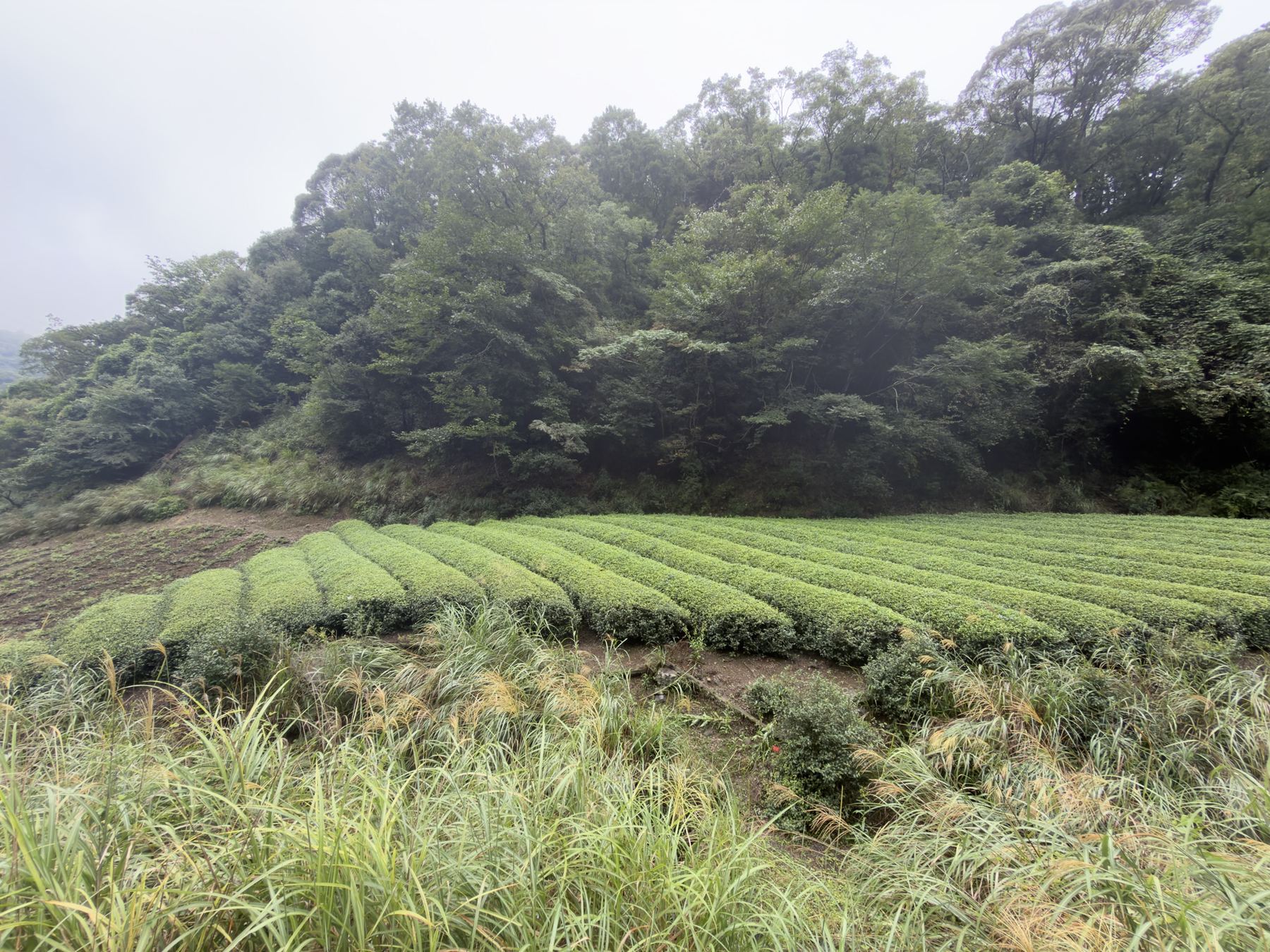

Sugitoen · Mizumiiro, Shizuoka
One hillside.
A leaf almost lost.
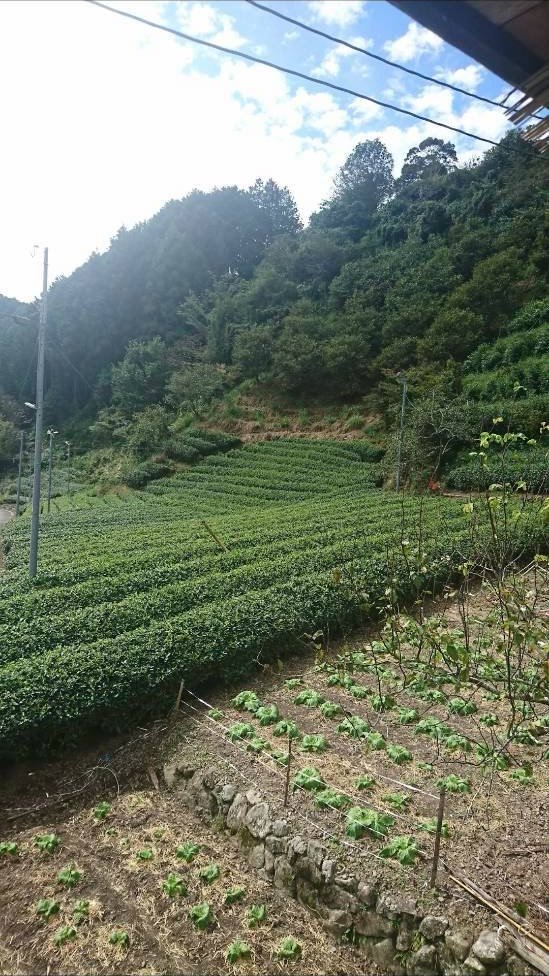
We grow tea in Mizumiiro, a small valley in the mountains of Shizuoka, Japan — including Marishi, a cultivar born in this village that very nearly disappeared. Grown without pesticides. One family, a few plots, and a harvest small enough to count.
Why we mill the whole leaf
Brew tea in the ordinary way and you drink an infusion. The leaf goes in the bin. Drink it as a powder and you take in the leaf itself — all of it.
That changes what matters. Whatever is on the leaf goes in with it, which is exactly why we grow without spraying. And what the leaf holds — the catechins that give green tea its edge of bitterness — ends up in the cup rather than thrown away with the leaves.
It is a simple idea: if you are going to eat the leaf, the leaf should be clean.
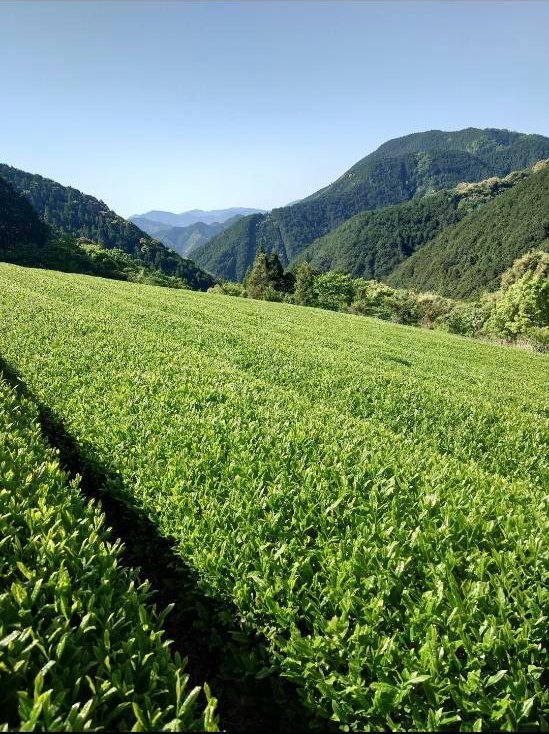
Grown without pesticides
Not as a marketing decision. The farm is worked around a full-time job, and there is simply no time for spraying — so for several years now, nothing has been sprayed. Chemical fertiliser is still used, so we say "grown without pesticides", not "natural farming".
The 2026 harvest
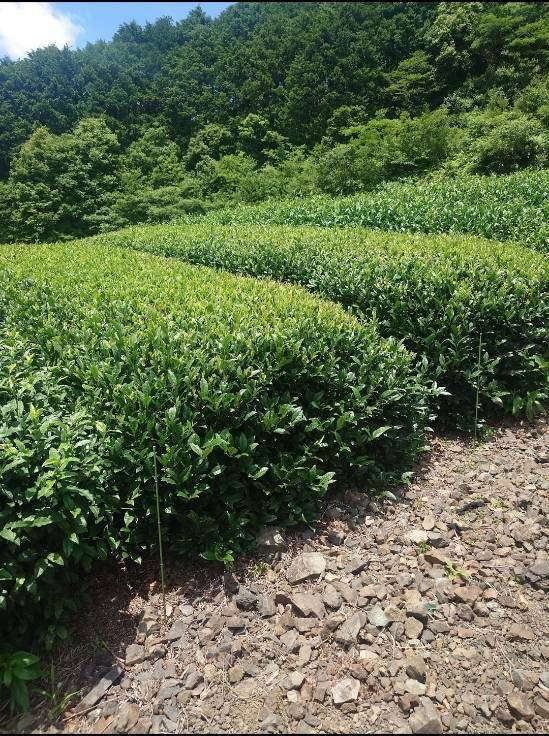
Marishi 35 kg. Yabukita 200 kg. Marishi grows on a single hillside plot — however well it grows, there will never be much of it.
First milling test, September 2026
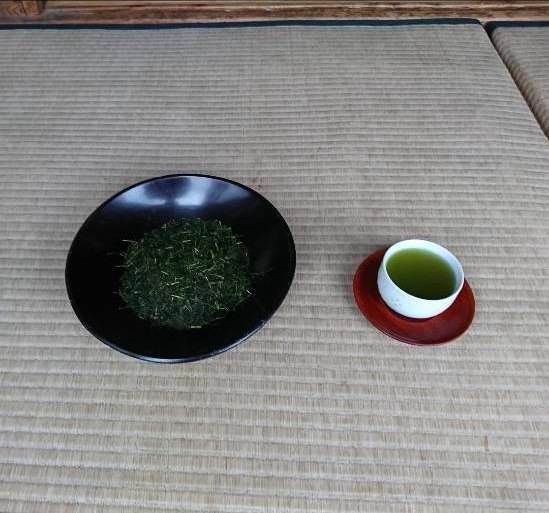
We milled the finished leaf by hand and drank it. Half a teaspoon to a small cup. Against the powdered green tea sold in shops, ours tastes more like tea — there is astringency in it. The stems, though, were too tough for a domestic mill.
What comes next
A mill that can grind the stems along with the leaf. A finishing route we control. And next spring, shading part of the rows before the first flush — shade softens the astringency and deepens the colour.
Two lines
Nothing is for sale yet. We are still testing the milling and the finishing; these are the two lines we are building toward.
Honyama line · Yabukita
Whole-leaf powder from Honyama, one of the oldest tea regions in Japan. This is the line for people who drink green tea as part of looking after themselves: the whole leaf, taken as it is, from a farm that does not spray.
Marishi line · Rare cultivar
Selected in this village from a chance seedling of Yaeho and registered in 1996. Low in astringency, high in umami, and nearly lost when its breeders died. One plot, one family. Here taste and rarity come first.
Mizumiiro
We will tell you when it is ready
The first release is small — a few dozen of each. Rather than a launch, we will simply message the people who asked to be told.
Either one works. Tap, send, and we will have your name.
The first export harvest is May 2027, and the release will be small. Until then this page is a record: what we grow, what we try, and what does not work yet.